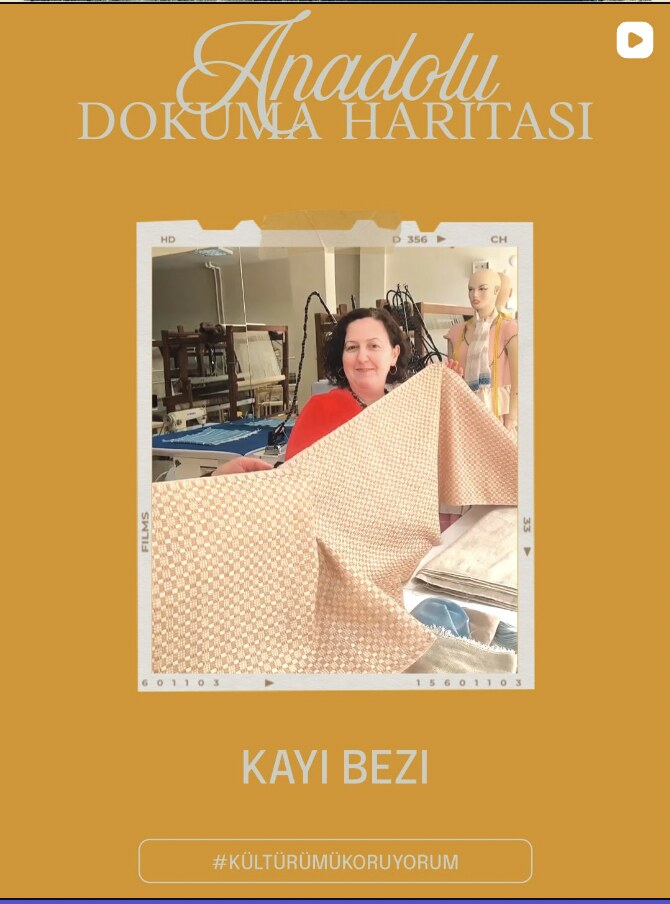
Anatolian Weaving Map
Anatolian weaving looms and fabrics
A long-term project that researches Anatolia's disappearing fabrics, looms and local production knowledge and carries them into contemporary production models; bringing together producers from different regions into a single network.
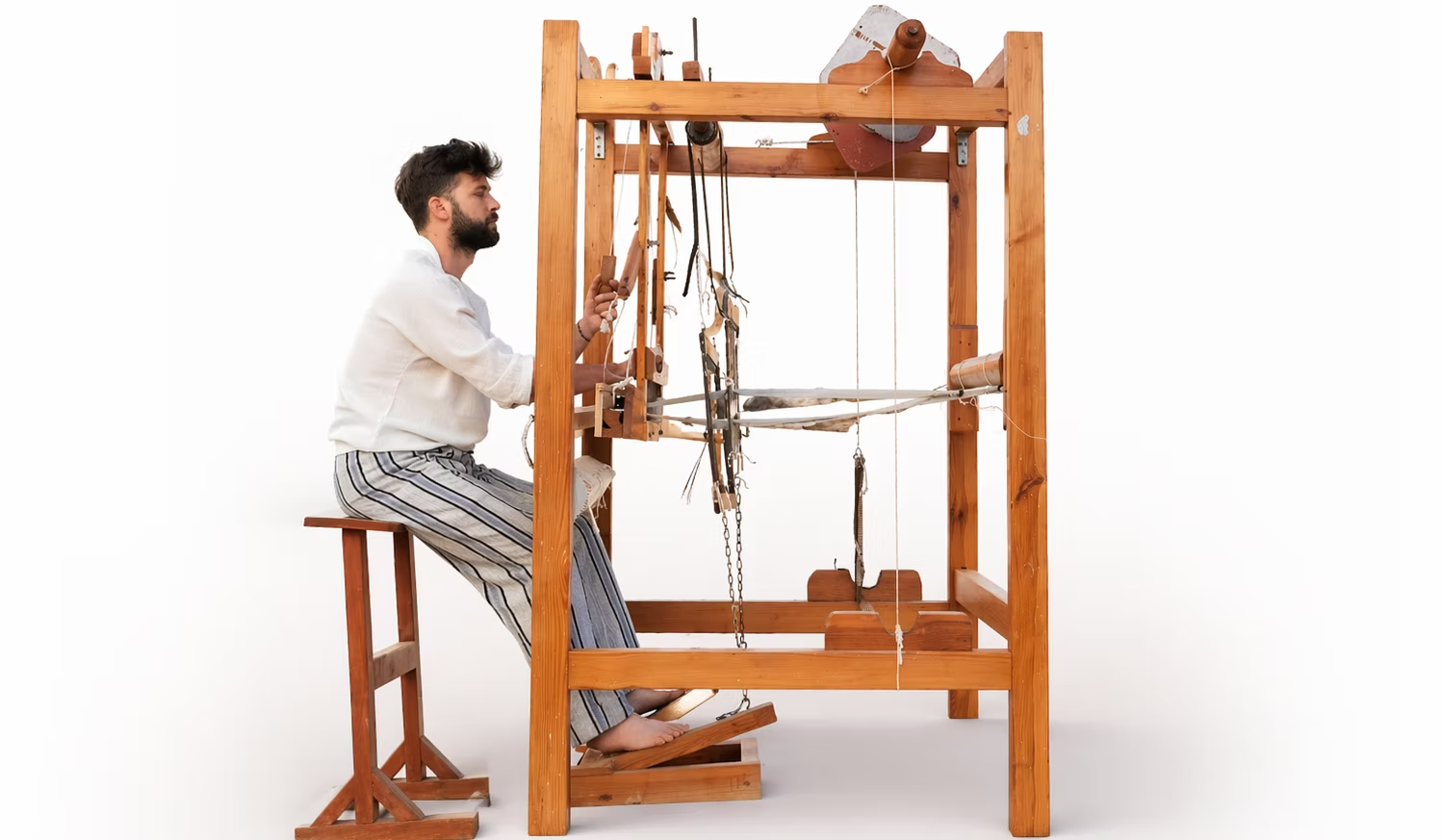
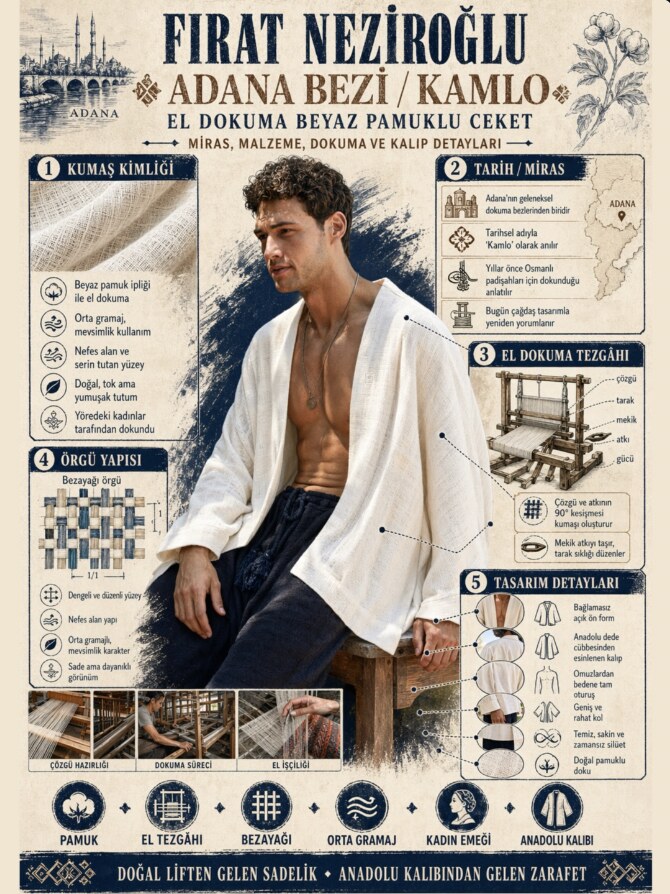
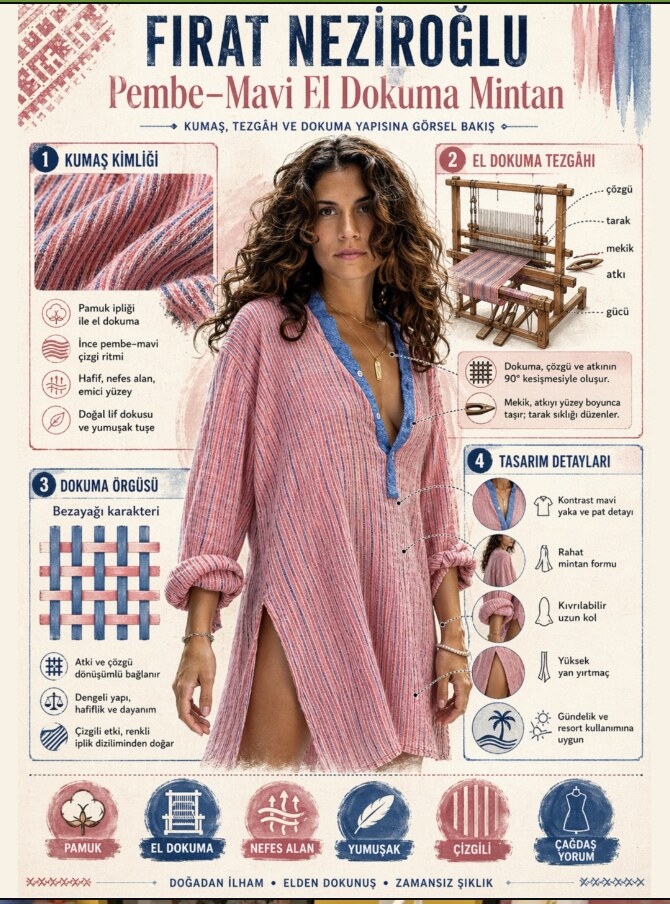
Fırat Neziroğlu has mastered Anatolia's geographically indicated fabric-weaving techniques. After completing his undergraduate studies at university, he began touring Turkey's pioneering weaving provinces one by one; he sat at the same looms as master weavers and worked as their apprentice. Throughout these trips he studied and brought back to light fabrics that had been forgotten or were on the verge of being forgotten, and by using these techniques in the designs he prepared for the industry, he adapted traditional Turkish fabrics to the needs of the day.
Born out of this accumulation, Anatolian Weaving Map brings together geographically indicated and regional fabrics, looms and producers in a shared network. The project establishes economic sustainability without romanticizing the past: if fabric is not woven in a region, new fabrics belonging to that region (which will become traditional in the future) are designed, patented and gifted to the region. Production, design and employment efforts carried out with women's cooperatives form the backbone of this network.
The innovations he brought to Anatolia
Neziroğlu is the designer who first tried the two-treadle looms — Anatolia's basic weaving system — in a four-treadle format. On two-treadle systems, striped and checked patterns with color effects are mostly woven with plain-weave-derived structures — Plain Weave, Weft Rib, Warp Rib, Panama; because the system does not allow much movement, the kilim technique Cicim and, from time to time, Ajur, in which the warps are turned in groups, are also used in patterning. When he converts the system to four treadles, the regions' original fabrics become able to be woven double-layered and thickened with lining wefts and warps, without any compromise to their construction.
Şile
Together with the Şile Municipality, he thickened the thin and see-through, geographically indicated Şile Bezi without disturbing its weave. He brought four-treadle looms to Şile for the first time and designed a double-layered structure; by weaving two Şile cloths at the same time and binding them to each other in places, he obtained a fabric with a self Şile Bezi lining that reaches the desired thickness without its construction being disturbed.
Fethiye
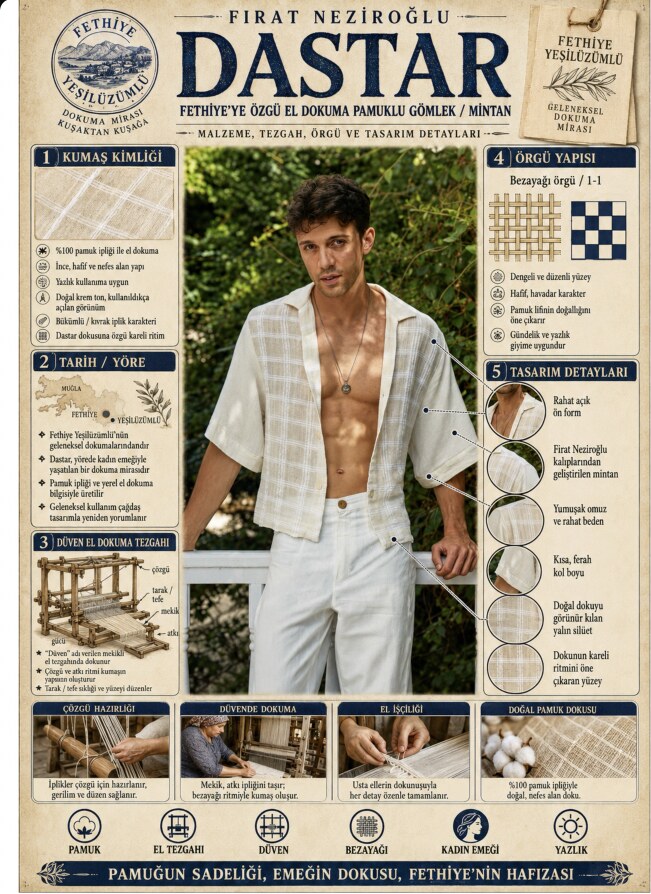
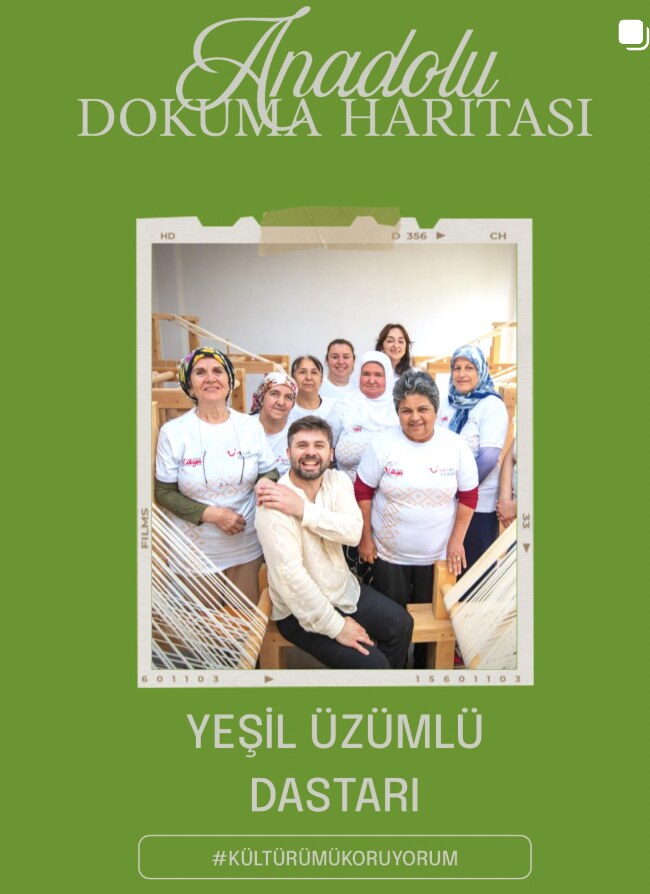
For the geographically indicated Yeşil Üzümlü Dastar, he came together with the region's oldest weavers; he redesigned the seating part of the low-lying loom and, with a four-treadle loom, developed a new structure that the Fethiye Municipality named the “FN Dastar.”
Giresun (Piraziz)
He learned that the wool of about 1000 Karayaka sheep, being thick, was being felted by mixing it with New Zealand wool; he created felt layers from pure Karayaka wool and had shoe and boot plates designed and produced from these molds.
Hatay
Meeting with the Ekodoku Cooperative after the earthquake, he designed fabrics from “Peace Silk,” produced without killing the silkworms, and provided employment support to the region.
Around Istanbul Airport
Due to climate change, he visited the villages of Terkos and Durusu and, by enrolling local women in university courses, enabled them to learn weaving. Through a collaboration with İGA, looms were acquired for the villages; by pioneering the conversion of the waste clothing of 6,000 İGA staff into yarn in Uşak, he designed fabrics woven from recycled yarns that contribute to the regional economy.
National Polar Garment
As a Wearable Technologies Consultant at Bilişim Vadisi, he developed the fundamental construction of the National Polar Clothing designs.
Angora Goat
Working with the Ankara Provincial Directorate of Agriculture and Forestry on soil analysis, revitalization of vegetation cover and shepherd orientation, he played a role in the reraising of Ankara Goats in their homeland.
A network connecting villages to one another
By connecting weaver villages in different cities to one another, Neziroğlu brings together every corner of Turkey, stitch by stitch, into a single network. For example, a one-week trip was organized between the women of Çanakkale's Nevruz Village and the Fethiye Likya Women's Cooperative, providing a setting for the weavers both to get to know one another and to share their skills. He continues to design new fabric constructions in the light of science.
Cooperatives produced together
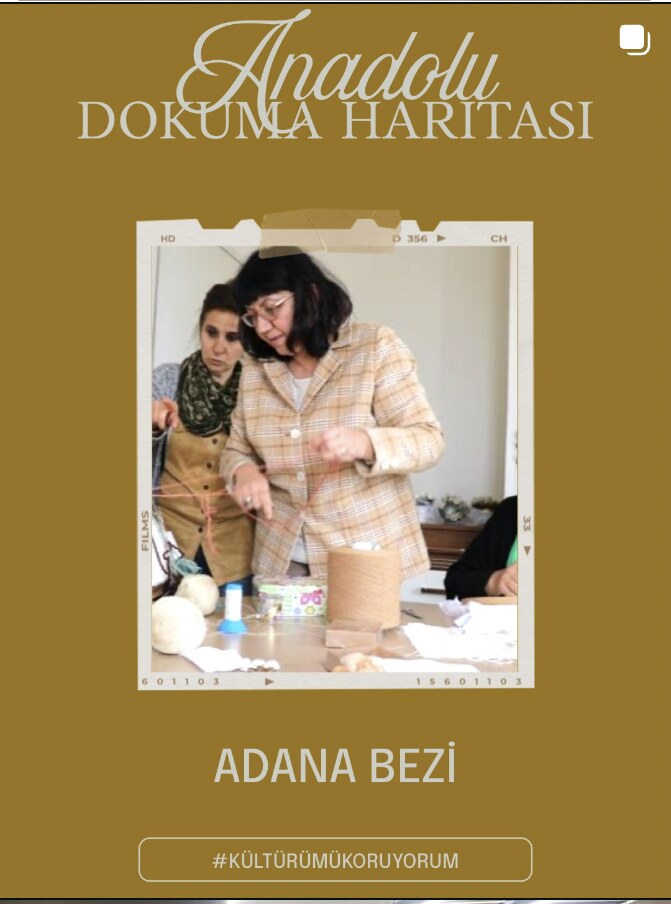
Şile Bezi Rural Women's Cooperative · Ekodoku Cooperative (Ankara, Hatay) · Likya Women's Cooperative (Fethiye) · Nevruz Köyü Women Cooperative (Çanakkale) · Verim Women's Cooperative (Adana) · Nisan Women's Cooperative (Bilecik) · Begonvil Women's Cooperative (Bodrum)